
The rarest number plates in the UK
By Plate Circle editorial · Last updated
The rarest UK number plates are the short, dateless registrations issued in the early 1900s, single letters paired with single digits, and combinations that spell names or words, and the very rarest have changed hands for more than half a million pounds.
What makes a number plate rare
Rarity in a registration comes down to a few things stacking up at once:
- Brevity. The fewer characters, the rarer. One and two character plates are the scarcest of all, because the supply is tiny and finite.
- Age. Dateless plates from the earliest years of UK licensing (from 1903 onward) carry no year identifier and can legally go on a vehicle of any age. They were issued in small numbers over a century ago and none will ever be made again.
- Low numbers. The number 1 is the most coveted digit on any plate, followed by other single digits. A low number alongside a single letter is about as rare as a registration gets.
- Names and words. Plates that read as a name, a word or a set of initials are rare in a different sense: there is usually only one plausible spelling, so demand concentrates on a single registration.
Most record-setting plates combine several of these at once. That is why they are not just rare, but close to impossible to replace.
The rarest and most valuable UK plates ever sold
These are among the rarest registrations to have come to market, with the prices reported at the time of sale:
- 25 O, sold for £518,480 in 2014. The most expensive plate ever sold at a DVLA auction, bought by classic car dealer John Collins and fitted to a Ferrari 250 SWB. Its value comes from the reference to Ferrari's 250 series.
- X 1, sold for around £502,500 in 2012. Issued in December 1903, it is one of the very first registrations recorded in Britain, and a single letter with a single digit is almost unheard of.
- G 1, sold for £500,126 in 2011. Held the UK record for nearly a year. Another early single letter and single digit combination.
- RR 1, sold for £472,000 in 2018. Dating to 1925, it had last changed hands in the 1960s for around £5,000, a striking illustration of long-term appreciation.
- F 1, sold for £440,625 in 2008. The most famous registration in the country, bought by designer Afzal Khan and later reported to carry an asking price in the millions.
- S 1, sold for £404,063 in 2008. Believed to be the first registration ever issued in Scotland, in 1903.
- 1 D, sold for £352,411 in 2009, with no connection to the band at the time of sale.
- M 1, sold for £331,500 in 2006.
- 51 NGH, which reads as a well-known surname, sold for around £201,000 in 2006.
The pattern is clear: short, old, low-numbered and meaningful. Every plate near the top of this list ticks more than one of those boxes.
Dateless plates: why age equals rarity
The rarest registrations are almost all dateless plates. Because they carry no year identifier, they sit outside the normal supply of modern registrations entirely. They were issued in limited numbers in the early decades of motoring, and the pool only ever shrinks as plates are retained on cherished vehicles. Scarcity plus the freedom to display them on a car of any age is what pushes their value so high.
Why the number 1 is the rarest digit
If brevity and low numbers drive rarity, then the number 1 is the prize. A single 1 alongside a single letter is the scarcest format in UK registrations, which is why plates like X 1, G 1, S 1 and M 1 dominate the record books. There is simply no shorter or lower combination to be had.
Rare plates spotted recently
Short, dateless registrations members of Plate Circle have spotted in the wild. Each card links to the full master record for that plate.


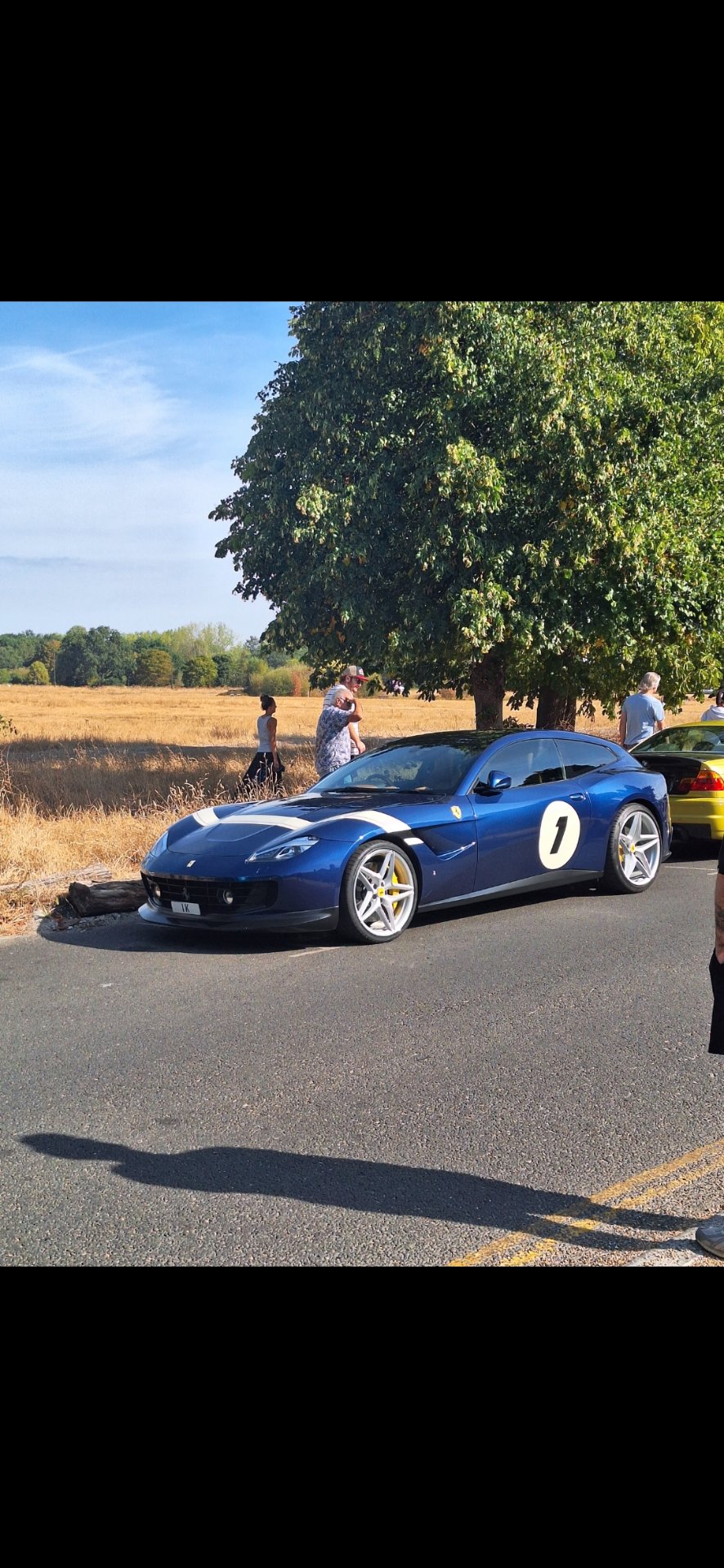
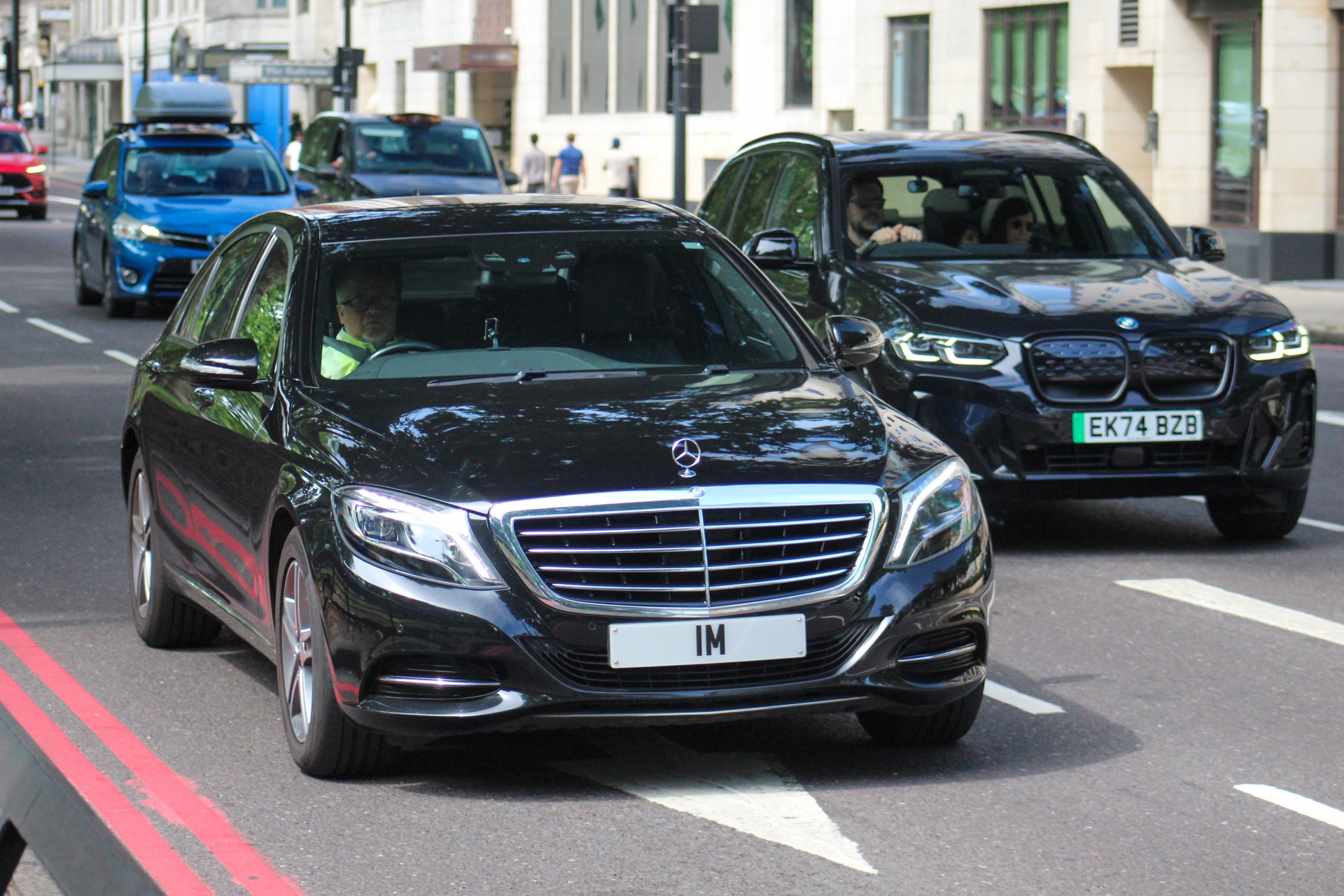

See more on the spotted number plates hub.
How rare plates hold their value
Rare registrations have a long record of holding and growing in value, which is part of what sustains demand. RR 1 rose from around £5,000 in the 1960s to £472,000 in 2018. Plates bought for a few thousand pounds decades ago have resold for six figures. Unlike most collectibles they need no storage or upkeep, and they can be displayed while still appreciating. None of this is a guarantee, and values can fall as well as rise, but scarcity is the underlying reason the rarest plates command the prices they do.
If you want to know where a specific registration sits, you can value a plate or browse recently sold plates for real comparisons.
Frequently asked questions
What is the rarest number plate in the UK?
The single character dateless plates from the early 1900s, such as S 1 and X 1, are among the very rarest, combining extreme age with the shortest possible format. By auction price, 25 O is the most expensive plate ever sold by the DVLA.
What makes a number plate rare?
Rarity comes from a short character count, age (especially dateless plates from the early decades of motoring), low numbers like 1, and combinations that spell a name or word. The rarest plates combine several of these at once.
Are dateless number plates rarer than modern ones?
Yes. Dateless plates were issued in small numbers over a century ago, carry no year identifier, and can legally go on a vehicle of any age. The supply is finite and only shrinks, which is why they sit at the top of the rarity scale.
What is the most expensive number plate ever sold in the UK?
25 O, which sold for £518,480 at a DVLA auction in 2014 and was fitted to a Ferrari 250 SWB.
Can you still buy rare number plates?
Yes. Rare registrations come up through DVLA auctions, private sales and marketplaces. You can browse private number plates for sale to see what is currently available.